• Home
  • About Journal
    • Aim and Scope
    • Editorial Policy
    • Peer Review Process
    • Bibliographic Listings
  • Editorial Board
  • For Authors
    • Information for Authors
    • Article Submission and Charges
    • Submit Article
    • Downloads
  • Contact Us
Pharmacognosy Journal
An Open Access, Peer Reviewed Journal in the field of
Pharmacognosy

Search form

Pharmacognosy Journal
  • Articles In Press
  • Current Issue
  • Archives
  • RSS Feeds
  • Submit Article
Home / Articles in images

Articles in images

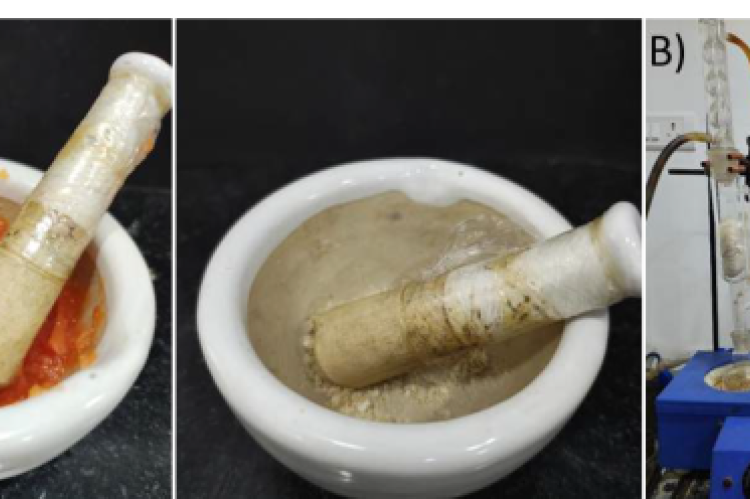
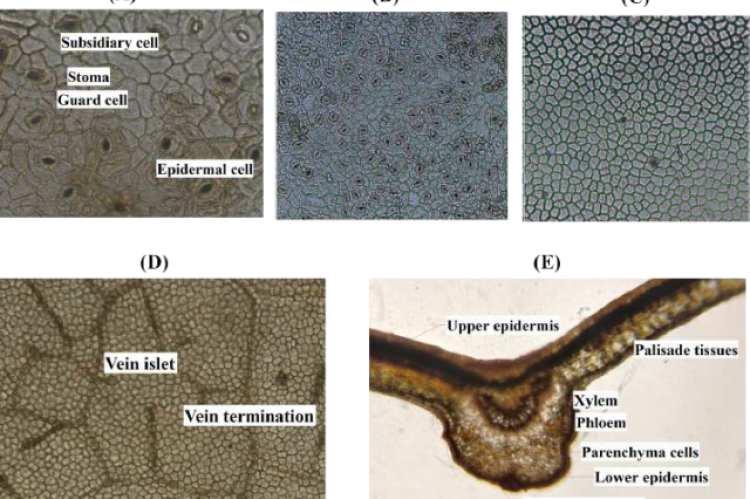
Photo documentation of crude and powdered herb Zingiber officinale
Figure represents the Group 1& 2:AS group- dentate gyrus (150 x 150 sq μm2 area), the Cornu ammonis (300 sq μm length area - CA 1 to CA4) parts of the hippocampus, and Frontal Cortex ( 250 x 250 sq μm2 area FC) respectively
Preparation of structures for molecular docking; a) Preparation of target protein, b) Preparation of ligand
Body weight measurements of rats administered the polyherbal formulation. *Data is presented as the mean ± SEM
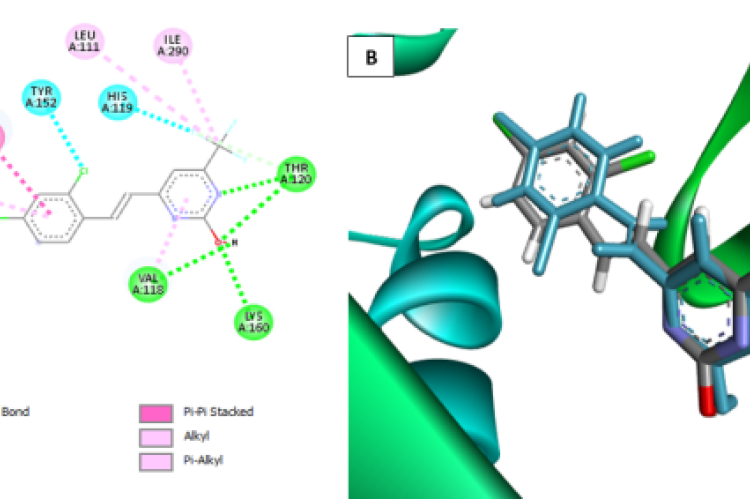
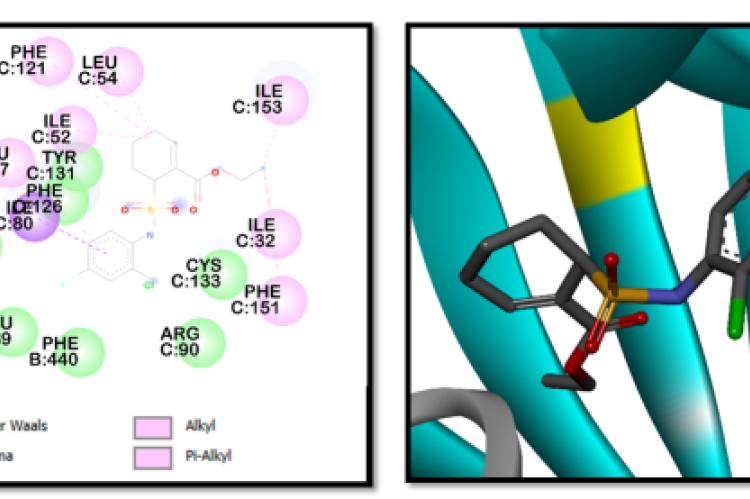
Molecular docking interaction profile of berberine with insulin signalling targets. Left panels represent 2D interaction maps indicating the nature and distance of key intermolecular contacts, while right panels depict 3D docking poses of berberine within the respective binding sites. Colour codes: green – van der Waals and hydrogen bonds; pink – π–π stacking/π–alkyl interactions
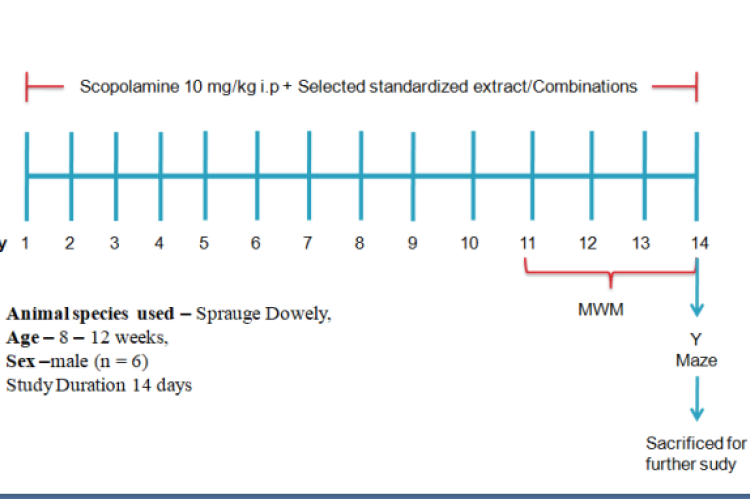
Chronic stress induced memory loss mice Figure
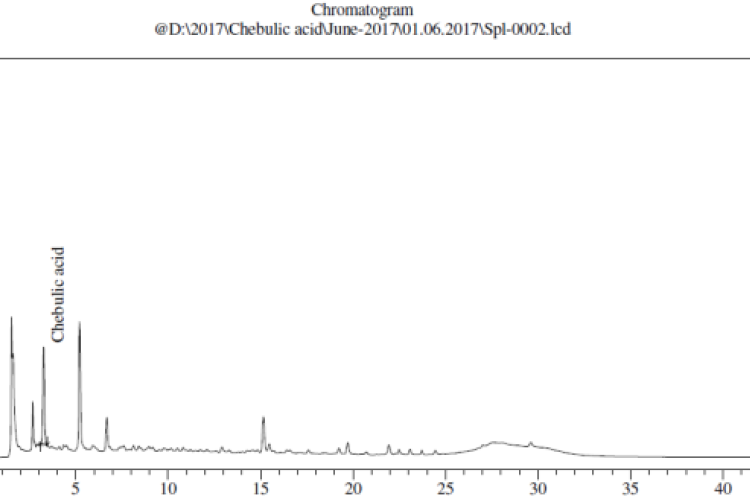
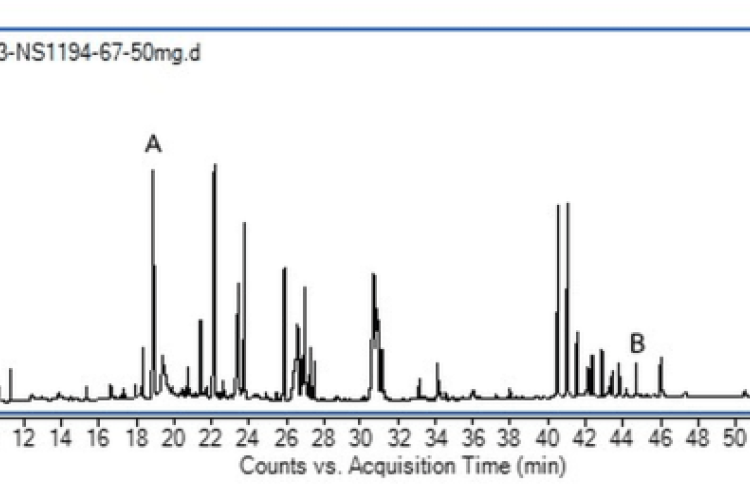
GC-MS chromatogram of Celtis timorensis bark extract
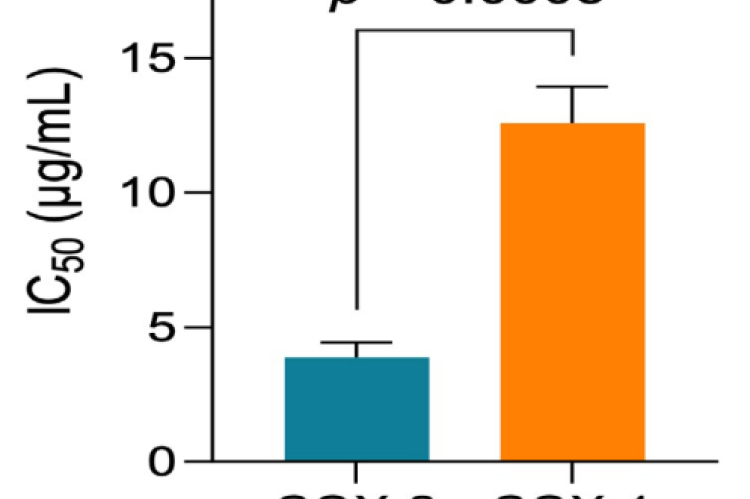
Inhibition Concentration (IC50) Standard Curves of Imperata cylindrical Root Ethanol Extract in A549 Lung Cancer Cell Lines
Histological Evaluation of Kidney Tissue. A) Group 1; B) Group 2; C) Group 3; D) Group 4; E) Group 5; F) Group 6.
Manuscript with stone poison composition
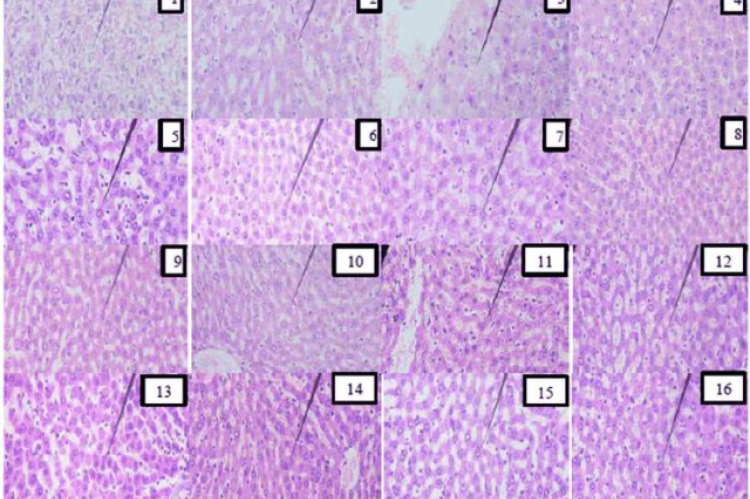
Histological Analysis of Liver Tissue in CCl₄-Induced Rats Treated with Centella asiatica extract
Cytokine levels in all experimental groups
Representative ultrasonographic images of rat livers. Group A = Normal control; Group B = CCl₄ control; Group C = Coffea arabica 100 mg/kg BW; Group D = Coffea arabica 200 mg/kg BW; Group E = Coffea arabica 300 mg/kg BW
Geographical distribution of Cissampelos pareira
PJ-17-6-2408
Image of Dioscorea transversa leaf and tuber
Preparat Jaringan otot cruris pewarnaan Hematoxylin Eosin dengan pembesaran mikroskop 4x. (1) Group only given daily intake; (2) Group given daily intake and 3 ml protein intake; (3) Group given daily intake and physical activity; (4) Group given daily intake, 3 ml protein intake and physical activity; (5) Group given daily intake, 4 ml protein intake and physical activity; (6) Group given daily intake, 5 ml protein intake and physical activity
Steps of data collection through digital platform
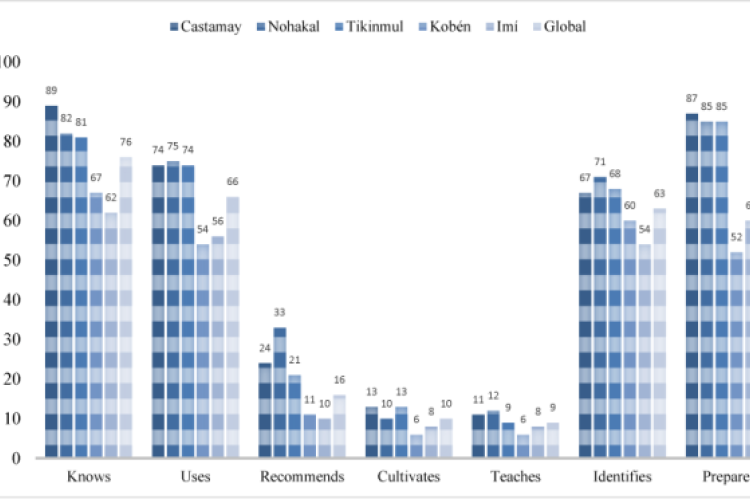
Metabolic Hormones in Type 2 Diabetes Mellitus Patients
Results of identification of phenolic chemical compound groups in breadfruit leaf extract and rosella flower extract using TLC. (A) breadfruit leaf extract, (B) rosella flower extract, (C) DE1C, (D) DE2C, (E) DE3C, (F) gallic acid standard.
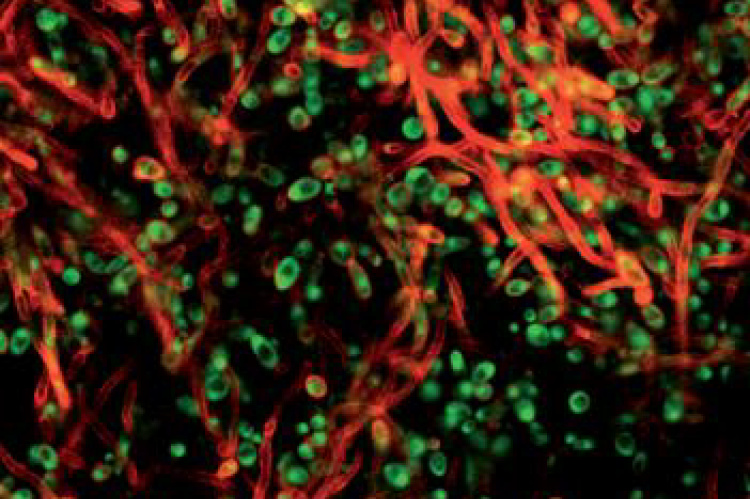
Proliferative effect of Dracontium spruceanum on Leishmania
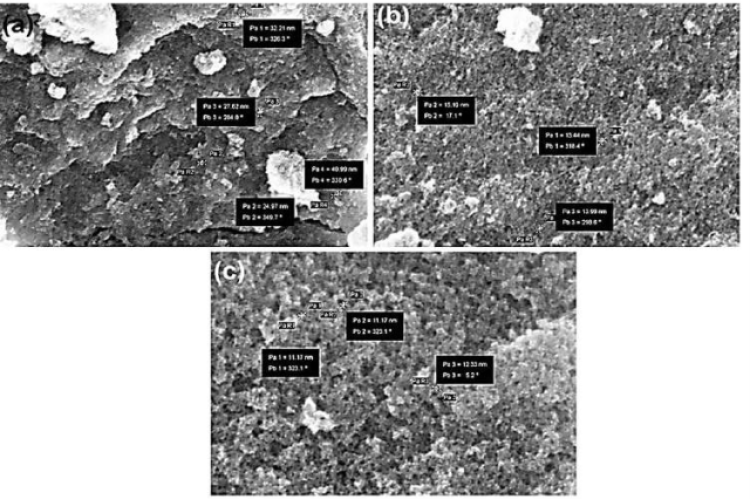
A) SEM, (B) FESEM micrograph, and (C) particle size distribution histogram of biosynthesized silver nanoparticles
TLC plates of E. elephantina rhizome n- hexane fraction. Fractions 16-31, 32-40 and 41-44 collected from the silica column chromatography were spotted the on-TLC plate and developed with an n-hexane: ethyl acetate (8:2) solvent system. (A) A reference TLC plate viewed under UV366 nm. The arrow indicates the area of interest. (B) The TLC plate was sprayed with S. aureus. Arrows indicate clear zones or inhibition zones
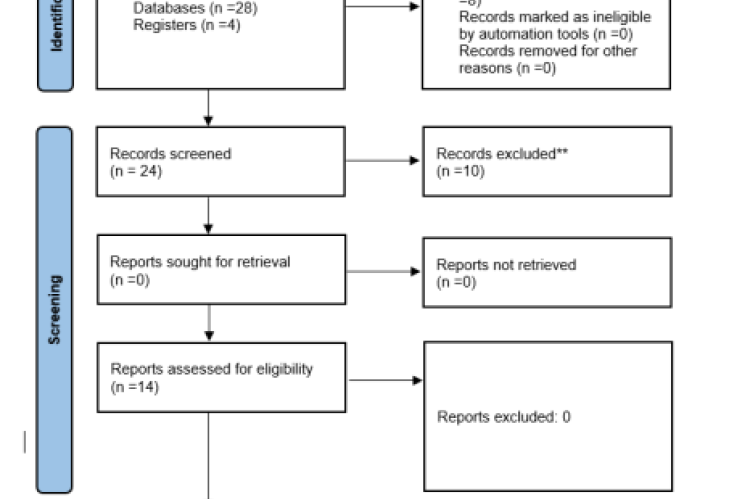
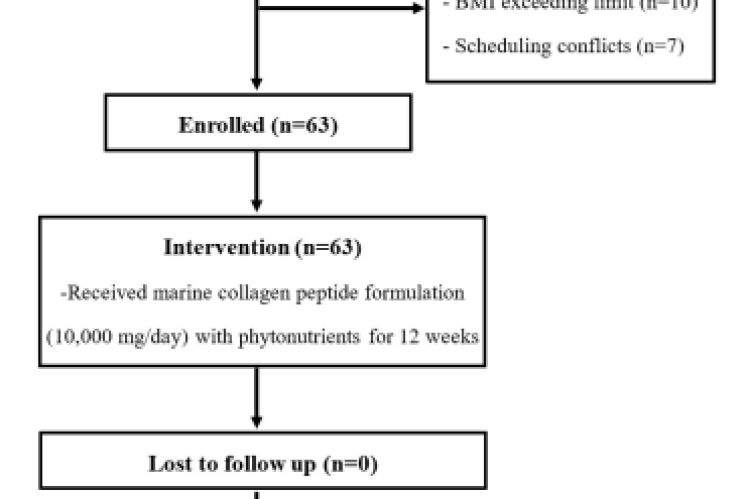
CONSORT flow diagram
Association Between Contraceptive Use and Pap Smear Findings in PKK Women in Bendul Merisi Surabaya
Comparison of age in years
GSH levels
Percentage distribution of neurological scores according to the level of functional impairment. Scores were assigned based on the degree of functional impairment observed in the behavioral test 24 hours after ischemia induction (range: 0 = No impairment, 1 = Mild, 2 = Moderate, 3 = Severe).
Tectitethya crypta
TLC plate visualization under UV
Effectiveness of Radish (Raphanus sativus) Extract In Reducing Tnf-α and Nitrit Oxida levels in Tipe II DM Mice Models with Traumatic Brain Injury
Effect of various extracts of TT on the urinary output when compared with the normal control and furosemide
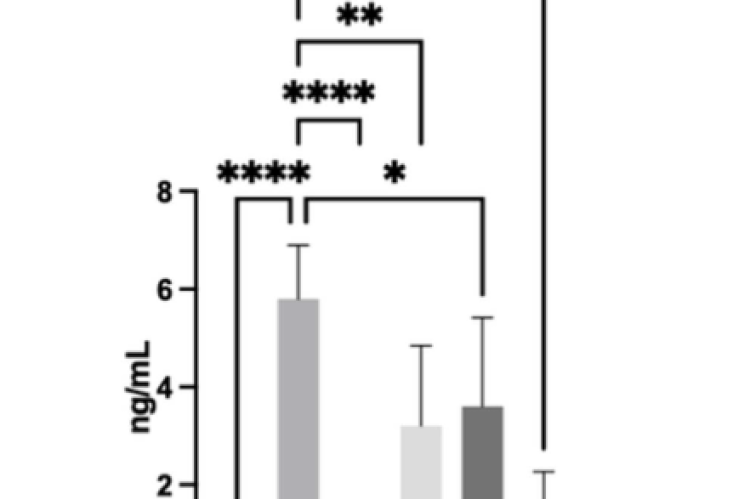
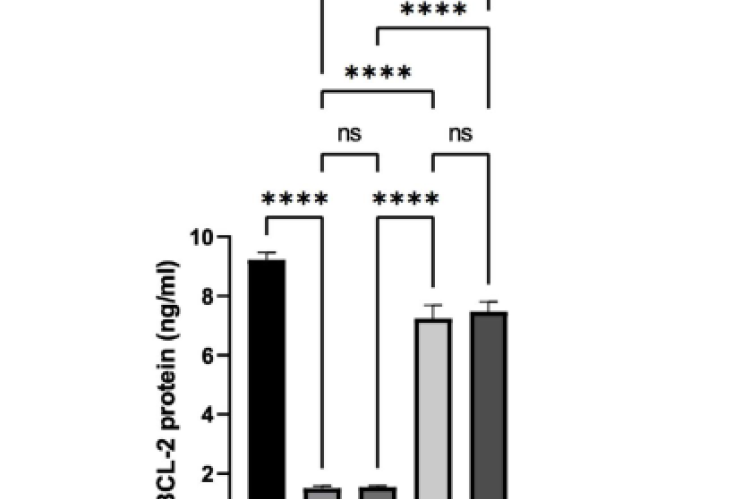
(A) CPD levels, (B) MMP-1 levels, and (C) MDA levels. *P ≤ 0.05, **P ≤ 0.01, ***P ≤ 0.001, ****P ≤ 0.0001 indicate significant differences; ns = not significant.
Photomicrograph of rat testis shows normal histological features in normal control group (Group I) (Hematoxylin & eosin).
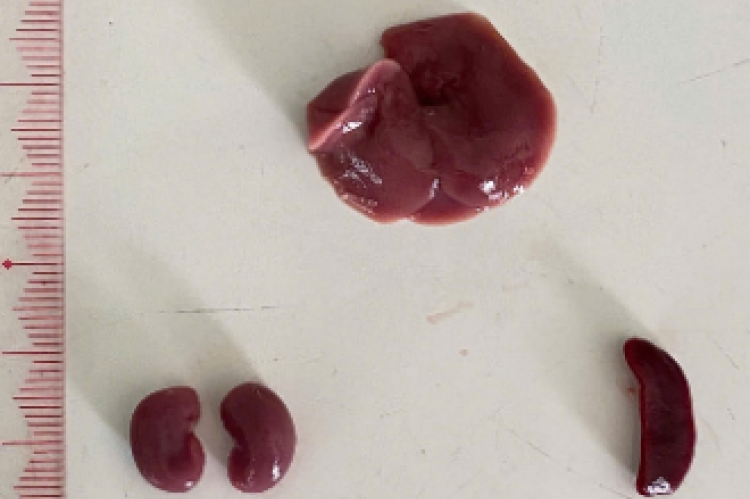
Effect of oral administration of hydroalcoholic root extract of Salvia officinalis on average organ weight (g) of rat. Values are expressed as mean ± STD. P < 0.05 when compared to the control group. HRESO- Hydroalcoholic Root Extract of Salvia Officinalis
Histopathology of lung tissue consisting of alveoli and bronchioles
Cell viability dose-response curve. H1299-hACE2-E3 cells were treated with plant extracts from 1600, 800, 400, 200, 100, 80, 40, 20, to 10μg/ml for 72 hours, and cell viability was evaluated using the MTS assay. Results were represented as mean ± SD of two independent experiments and are expressed as relative values compared to the untreated cells
Participant enrollment flowchart as per CONSORT guidelines
SDS-PAGE results of snakehead fish extract peptides
UV-visible spectrum of ZnO nanoparticle synthesized using flavonoid glycoside (MY).
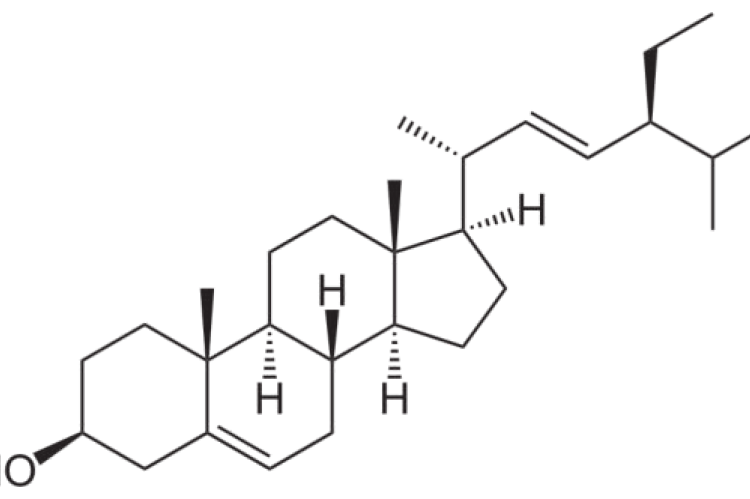
Structural differentiation of Diosbulbin A and Diosbulbin B
Phytochemical tests of C. hastata leaf extracts using different solvent extractions. (A) Alkaloids were detected in the EtOH and AqE extracts, as evidenced by the formation of a reddish-brown precipitate. (B) Anthraquinones were absent in all extracts, indicated by the lack of any visible color change. (C) Cardiac glycosides were present in the Hex, EtOH, and AqE extracts, as shown by a characteristic brownish ring between the layers. (D) Coumarins were detected in the EtOAc, EtOH, and AqE extracts, as indi
Green synthesis of ZnONPs using Eugenia uniflora leaf extract
Native ligand of p53 protein
Documents by year
CONSORT Flowchart
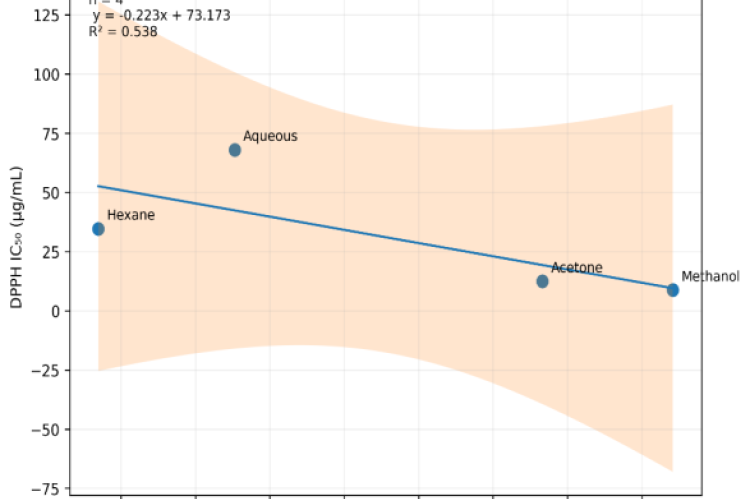
Analysis of Solvent Concentration Effect and Extraction Method on The Total Phenolic of Syzygium myrtifolium Walp. Leaf Extract
Sub-acute anti-inflammatory activity of EELLI by cotton pellet induced granulome pouch in Wistar albino rats. EELLI- Ethanolic Extract of the leaves of Leucas indica

Pages

  • 1
  • 2
  • 3
  • 4
  • 5
  • 6
  • 7
  • 8
  • 9
  • …
  • next ›
  • last »

Submit your Next Article

  • Online submission
  • Highly indexed and abstracted
  • 10 years of successful publishing
  • Wider visibility though open access
  • Higher impact with wider visibility
  • Prompt review

Submit your next article to Phcog J

and be a part of many successful authors.
Create free account  / Login

About

Pharmacognosy Journal (Phcog J.) covers different topics in natural product drug discovery, and also publishes manuscripts that describe pharmacognostic investigations, evaluation reports, methods, techniques and applications of all forms of medicinal plant research
Distinctions:  The most widely read, cited, and known Pharmacognosy journal and website is well browsed with all the articles published. More than 50,000 readers in nearly every country in the world each month
ISSN : 0975-3575 ; Frequency : Rapid at a time publication (6 issues/year)
Indexed and Abstracted in : SCOPUS, Scimago Journal Ranking, Chemical Abstracts, Excerpta Medica / EMBASE, Google Scholar, CABI Full Text, Index Copernicus, Ulrich’s International Periodical Directory, ProQuest, Journalseek & Genamics, PhcogBase, EBSCOHost, Academic Search Complete, Open J-Gate, SciACCESS.
Rapid publication: Average time from submission to first decision is 30 days and from acceptance to In Press online  publication is 45 days.
Open Access Journal: Pharmacognosy Journal is an open access journal, which allows authors to fund their article to be open access from publication. 


Submit your Next Article

  • Online submission
  • Highly indexed and abstracted
  • 10 years of successful publishing
  • Wider visibility though open access
  • Higher impact with wider visibility
  • Prompt review

Submit your next article to Phcog J

and be a part of many successful authors.
Create free account  / Login

Copyright © 2020 Pharmacogn J. All rights reserved.

Pharmacognosy Journal and its contents are licensed under a Creative Commons Attribution-Non Commercial-No Derivs 4.0 License. Permissions beyond the scope of this license may be available with  editor@phcogj.com

  • Home
  • Advertise with us
  • Privacy Statement